
New Construction Homes in Richmond, VA: What to Look For and What to Ask

September 18, 2026
Touring new construction homes in Richmond, VA is completely different from touring an existing house that has already been lived in. When you start looking at new homes in Richmond, VA, you're often stepping into a decorated model house, walking an empty piece of land, and looking at a price sheet to visualize how your future home will come together.
Knowing what to check before you visit the community, what to look for inside the model, and what questions to ask about the lot, the construction timeline, and the warranty ensures you feel completely confident at every step of the building process. To learn more about how building a brand-new home compares to buying a resale one, read our breakdown of buying new construction vs. resale homes.
Before You Visit, Check These Details From Home
Before heading out to visit a community, take 15 minutes to research a few core details online or over the phone to save yourself time and narrow down your options:
- Builder Experience and Regional Footprint: Look up how long the builder has operated in the area and where they actively build. StyleCraft Homes has been building in the greater Richmond region for over 25 years, with communities across Henrico, Hanover, Chesterfield, King William, and New Kent counties.
- Standard Features vs. Upgrades: Call or email ahead to ask what features are included in the starting price versus what counts as an upgrade.
- Homesite Availability and Timeline: Inquire about which specific lots are currently available and how long construction is currently taking from start to finish.
Taking a few minutes to gather these facts upfront ensures you focus your visits on communities that fit your timeline and expectations.
What to Look at When Touring the Model Home
Model homes are designed to showcase a plan's full potential, meaning they almost always feature extensive upgrades. When walking through a model home, the most beneficial question you can ask is: "What in this room is standard, and what is an upgrade?"
Beyond looking at surface-level finishes, look closely at structural and design elements that can affect daily living:
- Ceiling Heights and Natural Light: Look at window placement and notice where natural light lands during the hours you are typically home.
- Storage and Layout Flow: Check pantry capacity, linen and bedroom closet space, garage depth for vehicles, and the location of the laundry room relative to the primary suite.
- Main-Level Design: Ask if the floor plan was created specifically for living on one main level, rather than just shifting a bedroom downstairs. A plan designed for one-story living makes moving between the kitchen, living room, and main bedroom effortless.
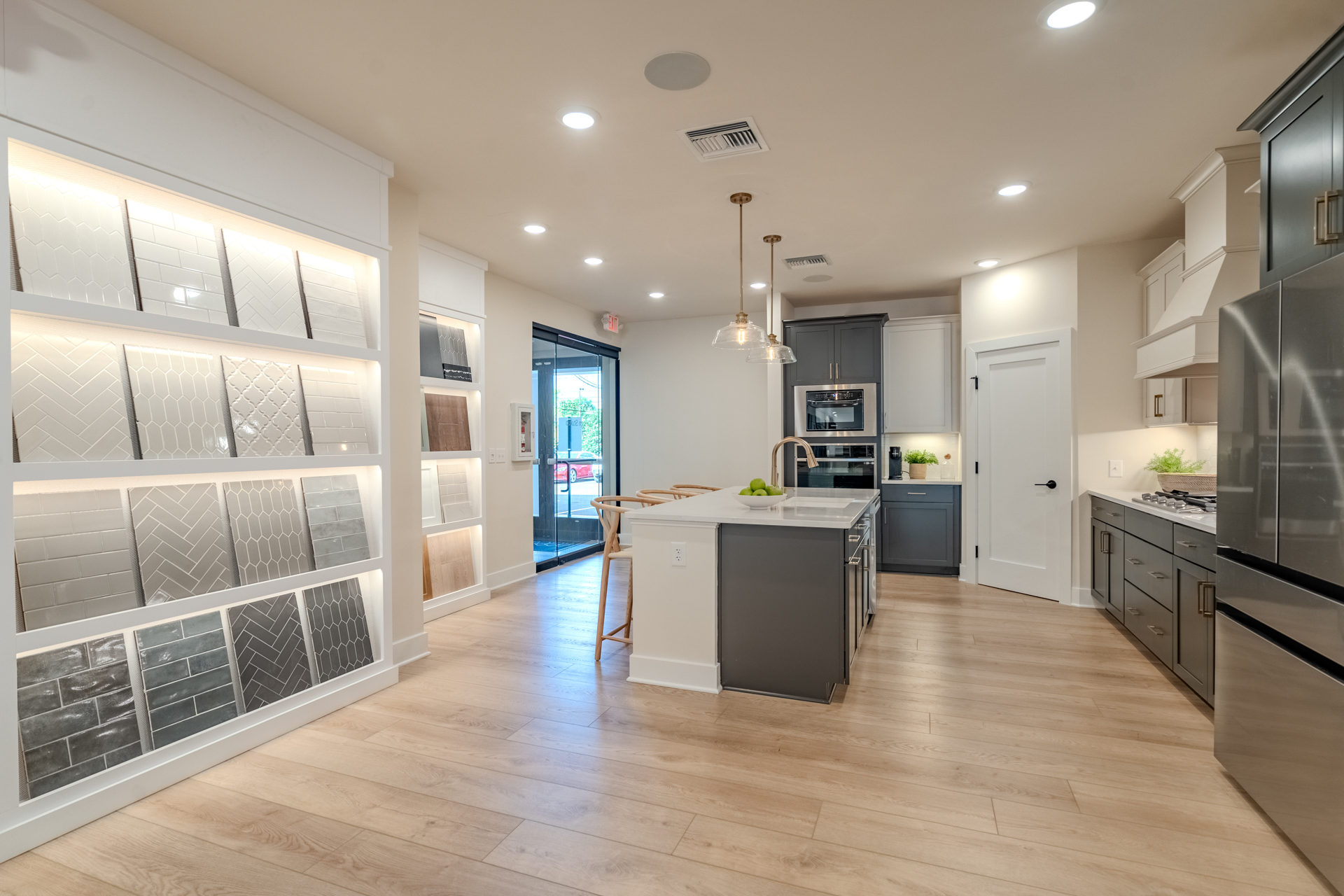
To help you explore your options, StyleCraft structures the personalization experience as a two-step process — allowing you to discover your preferences online first, and then see how your selections look and feel together in person. Learn more about both the online tools and in-person guidance on the StyleCraft Design Studio page.
Questions to Ask About the Homesite
In Richmond's surrounding counties, choosing a homesite involves more than just selecting a lot number — the homesite location within the community will shape your outdoor living space and long-term privacy. Ask your New Home Consultant or sales team these essential questions:
- What are the exact lot dimensions, and what is planned for the land directly behind the home?
Knowing boundary lines and future plans behind or around your property ensures your view, privacy, and backyard space won't be disrupted by unexpected construction down the road. - Will existing tree lines and buffers remain in place, or are future development phases planned nearby?
Confirming protected tree lines guarantees that natural shade, windbreaks, and privacy buffers stay permanently intact, rather than being cleared during a later building phase. - How does water drain off the land when it rains?
Understanding site grading and rainwater runoff prevents unexpected standing water in your yard, protects garden beds, and keeps outdoor living spaces usable after heavy storms. - Are utility lines installed underground?
Underground power, cable, and internet lines keep streetscapes clean and uncluttered while offering better protection against power outages during severe weather. - What is the lot premium cost, and what specific advantages — such as extra acreage, corner placement, or mature trees — does that premium include?
Clarifying lot premiums helps you decide if paying extra for specific perks — like a quiet cul-de-sac location or extra yard space — aligns with your budget and lifestyle. - Which homesites are still available, and how quickly is the current phase selling?
Knowing availability and sales pace helps you secure your preferred lot location before options sell out, or time your purchase to match future building phase releases.
Questions to Ask About the Build
Knowing who oversees the work and how to stay in touch keeps the building experience smooth and transparent. Consider these questions to ask a custom home builder:
- Who manages daily construction on-site, and how can you communicate with them during the build?
Knowing your primary point of contact — such as a dedicated Project Manager — ensures you have a direct line for weekly status updates and quick answers, avoiding confusion about who is supervising your homesite day to day. - What scheduled walkthroughs occur during construction, and is a formal pre-drywall inspection included?
A pre-drywall walkthrough gives you a rare look at the "bones" of your home — allowing you to inspect electrical outlet placements, plumbing lines, framing, and HVAC ductwork before they are permanently sealed behind drywall. - What is the exact deadline for finalizing structural choices before the wood structure goes up?
Clarifying the framing cutoff date upfront prevents unexpected change-order fees, costly construction delays, or missing out on structural additions like a loft, sunroom, or expanded patio. - How does the builder communicate schedule updates if unexpected weather delays occur?
Establishing clear expectation channels for weather or other delays keeps your planning on track, helping you coordinate move-in dates, current home sales, and lender rate locks with realistic timelines.
Questions to Ask About the Warranty and Year One
A quality builder stands behind their construction long after you receive the keys. When planning things to ask a home builder, clarify warranty specifics upfront:
- What items are covered under the initial one-year home warranty versus long-term structural coverage?
Understanding the difference between short-term cosmetics (like drywall touch-ups) and long-term protection (like foundation or load-bearing coverage) gives you peace of mind about what to expect as your home settles. - Who do you contact if something breaks or needs attention after move-in?
While many builders pass warranty claims off to third-party management companies or independent contractors, having a single local contact ensures your repair requests are handled directly without getting lost in administrative delays. - Is warranty service managed by a dedicated team or handed off to third-party subcontractors?
Having an in-house team means the technicians fixing your home are directly accountable to the builder, ensuring repairs are completed to the original construction standard rather than whatever subcontractor happens to be free.
StyleCraft provides a comprehensive one-year, full-coverage warranty, a 10-year structural warranty that stays with the home if you ever decide to sell, and a dedicated in-house warranty team to handle service requests directly. Review complete details on the StyleCraft Best-In-Class Protection page.
Three Questions Almost No One Asks
When evaluating new construction homes in Richmond, VA, asking a few unexpected questions can reveal a lot about a builder's long-term commitment:
- Is the builder locally owned, and do company leaders live in the community?
Local leadership means decision-makers understand regional building codes, weather patterns, and local neighborhood needs. - What is the long-term plan for final development phases?
Asking how quickly the neighborhood is growing helps you know what to expect as neighboring lots are completed. - What smart home features are built into the house, and how are they supported after move-in?
StyleCraft includes integrated smart door locks, video doorbells, smart thermostats, and a central Home Hub standard on every home through StyleCraft LiveSmart.
Where to Tour New Homes in Richmond, VA
If you're exploring new construction homes in Richmond, VA, these nearby communities offer floorplans built for easy, everyday living:
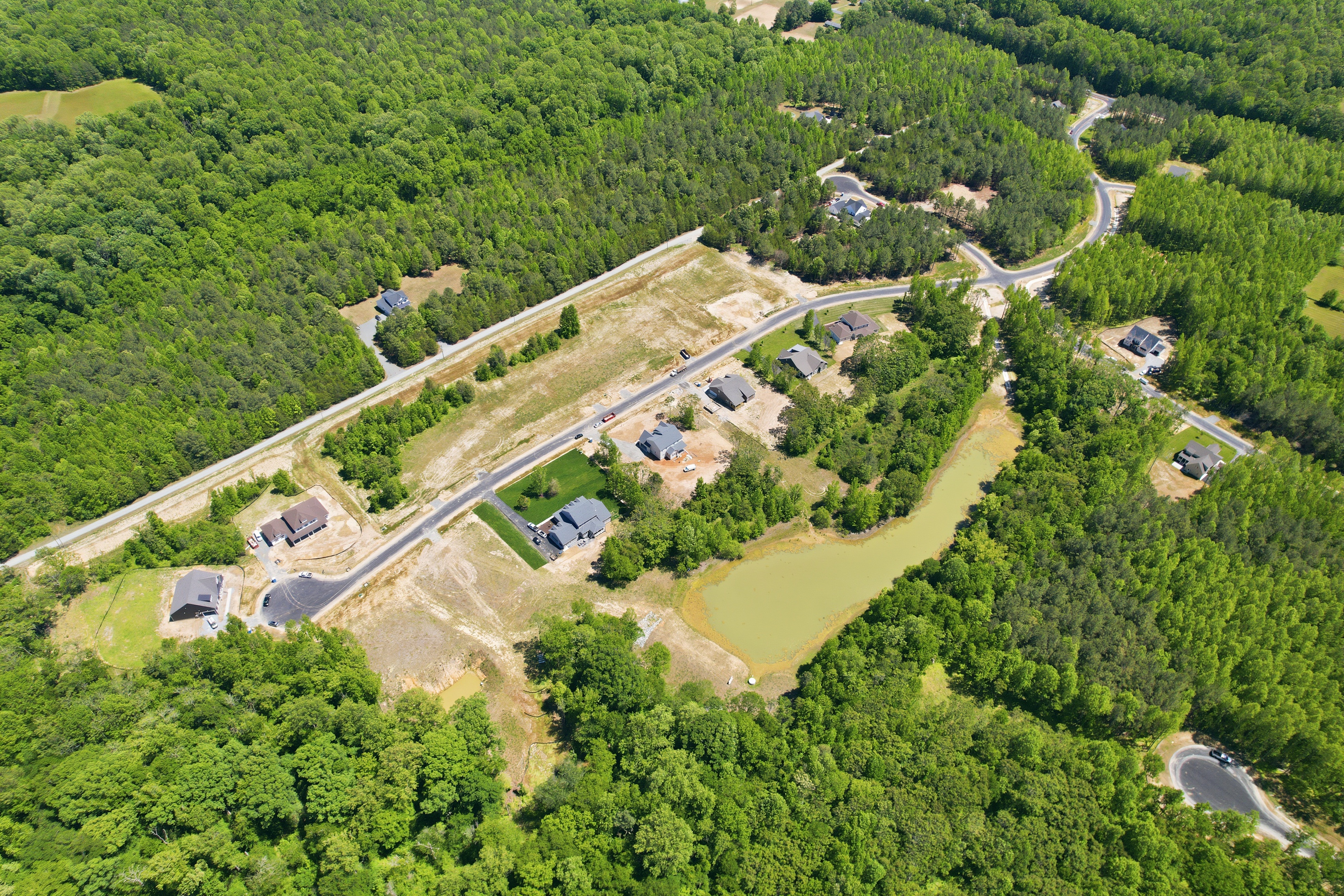
- Pomeroy Park (Quinton, New Kent County): Featuring spacious estate homesites with main-level living layouts, priced from $599,990. To learn more about this community, read our guide on estate living for less than $700k or visit the Pomeroy Park community page.
- Hickory Grove (Ashland, Hanover County): An active 55+ community offering main-level living floorplans and low-maintenance convenience, priced from $499,990. Explore homes on the Hickory Grove community page.
- The Carriages at McCauley Park (King William County): Low-maintenance 55+ carriage homes designed for effortless living, priced from the $300s. View available floorplans on The Carriages at McCauley Park page.
Common Questions About Buying New Homes in Richmond
Q: How do I find new construction homes in Richmond?
A: You can search online builder directories, explore local community listings, or contact regional builders directly to view available move-in ready homes and learn about active building phases. Visiting model homes in person is the best way to evaluate neighborhood layouts and craftsmanship.
Q: What's the difference between a model home, a spec home, and a to-be-built home?
A: A model home is a fully furnished showcase property used to demonstrate floor plans and upgrade options. A quick move-in home is already under construction with finishes chosen by the builder, which gets you into your home faster. A home built from scratch lets you choose your lot, floorplan layout, and personalized finishes from the start.
Q: What are the must-haves in new home construction?
A: Key things to ask a home builder about include main-level living layouts, energy-efficient insulation and HVAC systems, dedicated storage, modern lighting, and built-in smart home technology. Prioritizing low-maintenance exterior materials and flexible guest spaces also ensures long-term comfort.
Q: How long does it take to build a new home in the Richmond area?
A: Construction timelines vary depending on home size, structural choices, and site preparation, but typical builds take several months from initial foundation pouring to final walkthrough. Your builder will provide a specific milestone schedule once structural choices are finalized.
Come See One in Person
The best way to evaluate structural craftsmanship, layout flow, and community surroundings is to step inside a decorated StyleCraft model home in person.
While StyleCraft builds across the region — including active 55+ communities like Hickory Grove in Ashland and The Carriages at McCauley Park in King William — Pomeroy Park in Quinton offers an ideal starting point to experience main-level living and spacious estate homesites firsthand. Visiting the model home at Pomeroy Park gives you a clear look at StyleCraft's design standards, lets you walk actual floor plans, and allows you to map out your building timeline with dedicated New Home Building Consultants.


